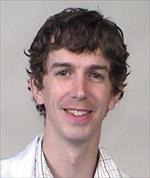
Michael B. Smith
Clinical Assistant Professor of Psychiatry (Academic)
Formerly Arkansas Affiliated with University of Arkansas through 1980; recent publications list The Ohio State University Comprehensive Cancer Center – Arthur G. James Cancer Hospital and Richard J. Solove Research Institute, The Ohio State University Wexner Medical Center.
Obstetrics & Gynecology, College of Medicine
Upstream record may be merged OpenAlex, the source of these figures, lists 47 institutions in 4 countries for this author record — a pattern that usually means it combines several researchers with similar names. The totals above may include work by other people.
Research Areas
Biomedical Subjects
Biography and Research Information
OverviewAI-generated summary
Dr. Michael B. Smith's research encompasses a range of topics, including the management of acute ischemic stroke and the impact of oxygen therapy on critically ill patients. He has investigated the oxidation of iodide ions by mammalian heme lactoperoxidase and explored the potential of iodide supplementation to mitigate SARS-CoV-2 infections. His work also addresses the patient and economic implications of implementing pediatric sepsis pathways and examines online discussions surrounding fertility during the COVID-19 pandemic.
Funded by the NIH/National Institute on Minority Health and Health Disparities, Dr. Smith is PI on a $126,501 grant investigating the role of physical activity in employment disparities following breast cancer. With a substantial publication record of 297 articles and an h-index of 73, he is recognized as a high-impact researcher. His collaborators include Benjamin S. Teeter, Songthip Ounpraseuth, Salim Aljabari, and Olivia Irby, all from the University of Arkansas for Medical Sciences.
Research Overview
Dr. Michael Smith completed his medical degree at the University of Arkansas for Medical Sciences in Little Rock, Arkansas. He then completed his residency in Obstetrics and Gynecology at Wake Forest University, North Carolina Baptist Medical Center in Winston Salem, North Carolina. During his residency he was awarded the Best Resident Teacher in Obstetrics and Gynecology. His clinical interest is in obstetrics and gynecology. During his second year of medical school, he was inspired by breast cancer survivors to follow a career in OB/GYN. He enjoys the variety of patients and cases that his field offers. Dr. Smith is originally from Little Rock, but grew up in nearby Hot Springs, Arkansas. He came back to serve his fellow Arkansans at UAMS. In 2010, he received the Red Sash Award for significant impact on medical education as nominated by medical students. He enjoys practicing at UAMS for its comprehensive care and numerous resources in technology as well as staff members.
Metrics
- h-index: 73
- Publications: 297
- Citations: 16,794
Positions
-
Clinical Assistant Professor of Psychiatry (Academic) 1984–presentNYU School of Medicine Psychiatry ORCID
-
Clinical Assistant Professor of Psychiatry (Academic)University of Arkansas for Medical Sciences Obstetrics & Gynecology, College of Medicine Institutional directory
Selected Publications
-
Describing rural pharmacists' communication about the COVID-19 vaccine (2025)
-
1339: STANDARDIZING EXTUBATION READINESS ASSESSMENT TO REDUCE FAILURE IN THE PICU: QI INITIATIVE (2025)
Federal Grants 1 $126,501 total
Explaining the potential role of physical activity in employment disparities after breast cancer
Grants & Funding
As listed on this researcher's institutional profile. Federal awards with verified records are shown above.
- DP24-004, PRC, Core: Health Promotion and Disease Prevention Research Centers NIH Co-Investigator
Collaboration Network
Top Collaborators
- Use of specific trifluoroacetylation of lysine residues in cytochrome c to study the reaction with cytochrome b5, cytochrome c1, and cytochrome oxidase
- A 19F nuclear magnetic resonance study of the interaction between cytochrome c and cytochrome c peroxidase
- Use of specific trifluoroacetylation of lysine residues in cytochrome c to study the reaction with cytochrome b5, cytochrome c1, and cytochrome oxidase
- Use of specific trifluoroacetylation of lysine residues in cytochrome c to study the reaction with cytochrome b5, cytochrome c1, and cytochrome oxidase
- 1339: STANDARDIZING EXTUBATION READINESS ASSESSMENT TO REDUCE FAILURE IN THE PICU: QI INITIATIVE
- 1339: STANDARDIZING EXTUBATION READINESS ASSESSMENT TO REDUCE FAILURE IN THE PICU: QI INITIATIVE
- 1339: STANDARDIZING EXTUBATION READINESS ASSESSMENT TO REDUCE FAILURE IN THE PICU: QI INITIATIVE
- Describing rural pharmacists' communication about the COVID-19 vaccine
- Describing rural pharmacists' communication about the COVID-19 vaccine
- Describing rural pharmacists' communication about the COVID-19 vaccine
- Describing rural pharmacists' communication about the COVID-19 vaccine
- Describing rural pharmacists' communication about the COVID-19 vaccine
- Describing rural pharmacists' communication about the COVID-19 vaccine
Similar Researchers
Based on overlapping research topics